
- 16 Jan 2025
Can Cat Scratchers Effectively Protect Furniture from Damage?
If you’re a cat owner, you’ve likely faced the challenge of protecting your furniture from your cat’s scratching habits. The good news is that cat scratchers can be a game-changer! In this article, I’ll explore how cat scratchers work, the different types available, and how to use them effectively to protect your furniture. Let’s dive in!
Table of Contents
What Is the Purpose of Cat Scratching?
Cats scratch for several reasons, including:
Marking territory: Cats have scent glands in their paws, and scratching leaves behind their scent.
Stretching muscles: Scratching helps cats stretch their bodies, especially their shoulders and legs.
Maintaining claw health: Scratching removes the outer layer of claws, keeping them sharp and healthy.
Understanding these motivations is key to finding the right solution to protect your furniture. For more insights, check out our blog post: Why Do Cats Scratch Scratching Posts?
How Do Cat Scratchers Protect Furniture?
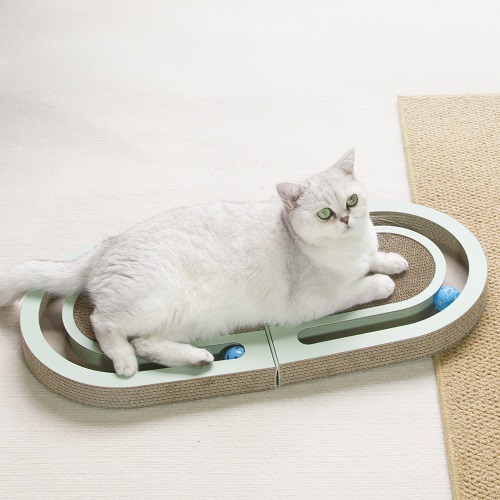
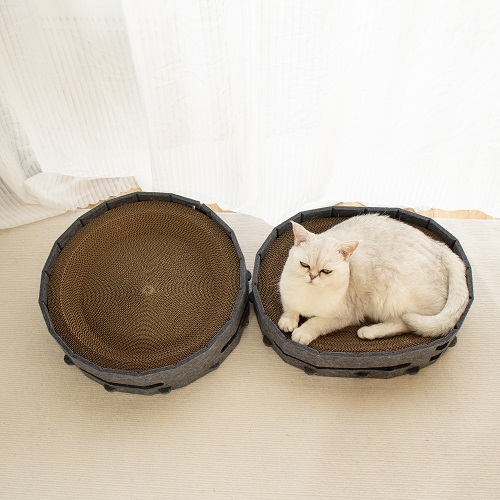
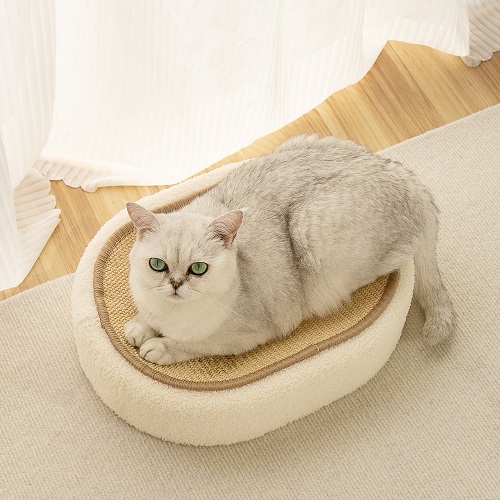
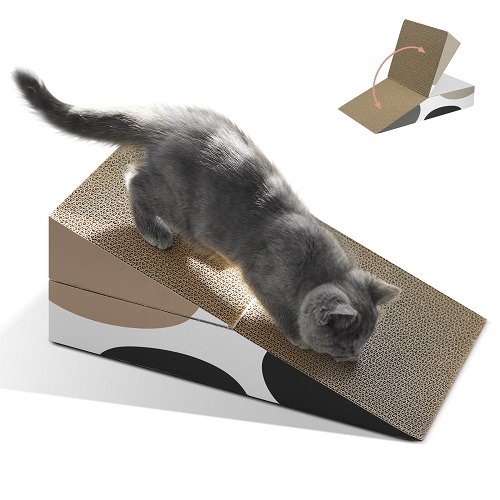
Cat scratchers provide a designated area for cats to scratch, redirecting their natural behavior away from your furniture. By offering an appealing alternative, scratchers can significantly reduce the likelihood of damage to sofas, chairs, and other household items.
Featured Snippet Target: Cat scratchers protect furniture by providing a designated scratching area, redirecting your cat’s natural behavior away from sofas, chairs, and other household items.
What Types of Cat Scratchers Are Available?
There are several types of cat scratchers, each with unique features and benefits:
| Type | Material | Pros | Cons |
|---|---|---|---|
| Vertical Scratcher | Sisal | Great for stretching; space-efficient | Requires floor space |
| Horizontal Scratcher | Cardboard | Affordable; easy to replace | May wear out quickly |
| Combination Scratcher | Wood/Sisal | Dual-purpose; aesthetically pleasing | More expensive than basic options |
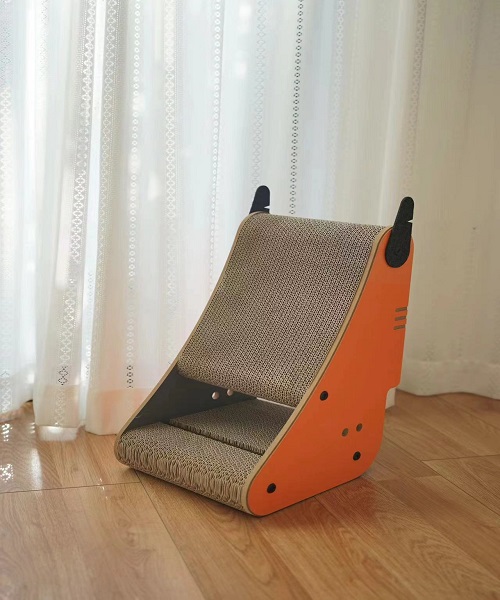
For example, the Cat Climbing Scratcher Rocking Horse is a versatile option that combines scratching and play in one fun design.
What Are the Best Practices for Using Cat Scratchers?
To maximize the effectiveness of cat scratchers, follow these best practices:
Placement: Position scratchers near furniture that your cat tends to scratch.
Attractiveness: Use catnip or toys to entice your cat to use the scratcher.
Variety: Provide different types of scratchers to cater to your cat’s preferences.
How Effective Are Cat Scratchers Compared to Other Methods?
While cat scratchers are highly effective, combining them with other strategies can enhance furniture protection. For example, using furniture guards or deterrent sprays can further discourage scratching on upholstered surfaces.
For more tips on protecting furniture, check out ASPCA’s Guide to Destructive Scratching.
What Personal Experiences Support the Use of Cat Scratchers?
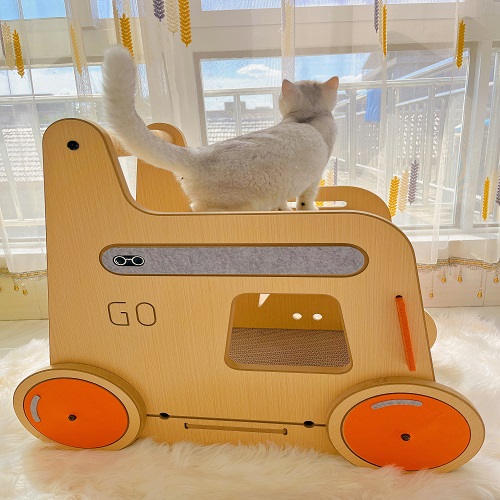
From my experience as a cat owner, providing multiple scratching options has been vital in protecting my furniture. I’ve found that rotating different types of scratchers keeps my cats engaged and reduces their interest in my sofas. Additionally, using products like the Fun and Large Cactus Cat Scratching Toy has been a hit with my cats, thanks to its unique design and durability.
What Additional Tips Can Help Protect Furniture?
Here are some extra tips to keep your furniture safe:
Regular Nail Trimming: Keeping your cat’s nails trimmed can minimize damage.
Furniture Covers: Use protective covers on valuable pieces.
Behavioral Training: Reward your cat when they use their scratcher instead of furniture.
Conclusion: Protecting Your Furniture with Cat Scratchers
Cat scratchers are a highly effective way to protect your furniture from damage while keeping your cat happy and healthy. By understanding your cat’s needs and following the tips in this guide, you can create a scratch-friendly environment that works for both you and your feline friend.
Call to Action: Ready to find the perfect cat scratcher for your home? Explore our top-rated products at CoolyPet today!
For more expert advice on cat care, visit ASPCA’s Cat Care Guide or browse our CoolyPet Blog for additional tips and tricks.