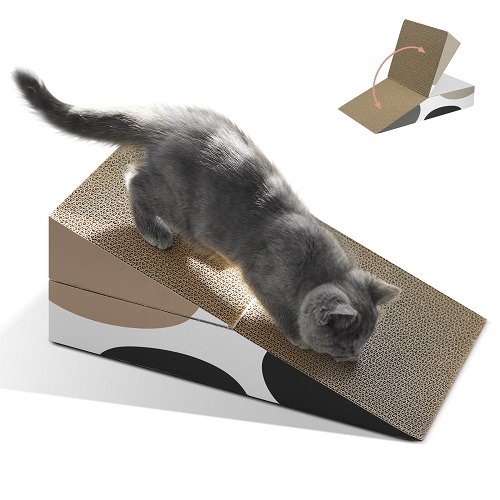

- 09 Jan 2025
How Do You Choose the Right Cat Scratcher for Your Customers?
Choosing the right cat scratcher for your customers can be a game-changer for their feline friends. With so many options available, it’s essential to understand the different types, materials, and features that make a scratcher effective. In this article, I’ll guide you through everything you need to know to help your customers find the perfect cat scratcher. Let’s get started!
Table of Contents
What Materials Should I Consider When Choosing a Cat Scratcher?
What Are Some Common Mistakes to Avoid When Choosing a Cat Scratcher?
What Are the Different Types of Cat Scratchers?
Cat scratchers come in various shapes and sizes, each designed to meet different feline needs. Here are the most common types:
Vertical Scratchers: These are tall posts or towers that allow cats to stretch fully while scratching. They’re perfect for cats who love to scratch furniture legs.
Horizontal Scratchers: Flat scratchers that lie on the ground, ideal for cats who prefer scratching carpets or rugs.
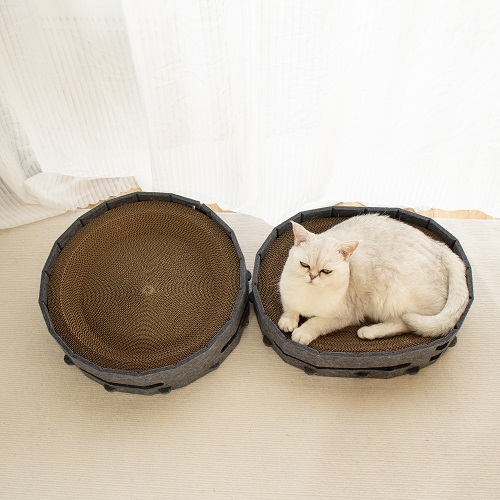
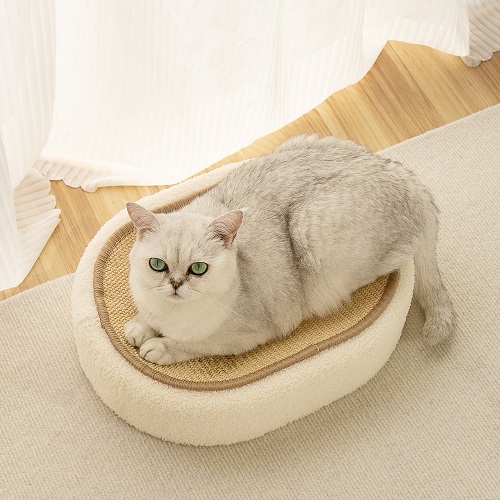
Lounge Scratchers: Multi-functional scratchers that double as cozy resting spots. They’re great for small spaces.
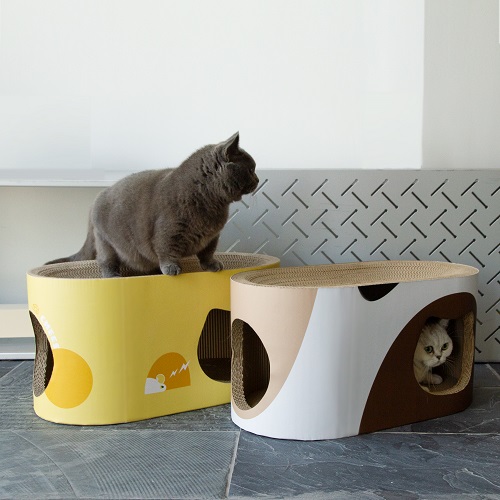
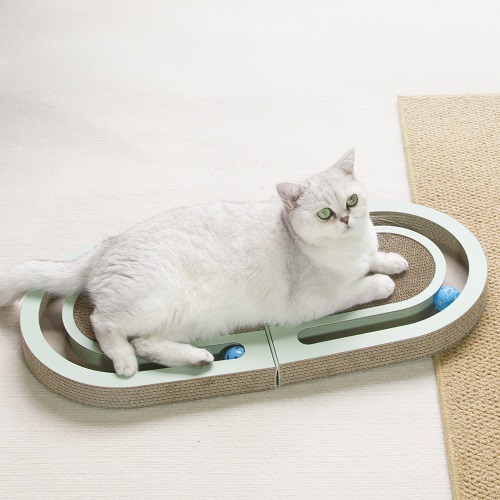
For example, the Foldable Cat Scratch Tunnel with Ball is a fantastic lounge scratcher that combines play and scratching in one compact design.
How Do I Determine the Right Size for My Cat Scratcher?
Size matters when it comes to cat scratchers. Here’s a quick guide to help you choose the right size:
| Scratcher Size | Pros | Cons |
|---|---|---|
| Small (under 12 inches) | Compact and portable | May not suit larger cats |
| Medium (12-24 inches) | Fits most cats and spaces | Limited stretching room |
| Large (over 24 inches) | Great for stretching and play | Takes up more space |
For larger cats, the Oval Track Cat Scratch with Ball is an excellent choice, offering ample space for scratching and play.
What Materials Should I Consider When Choosing a Cat Scratcher?
The material of a cat scratcher affects its durability and appeal to cats. Here’s a breakdown of common materials:
Sisal: Durable and great for claw maintenance. Cats love the texture.
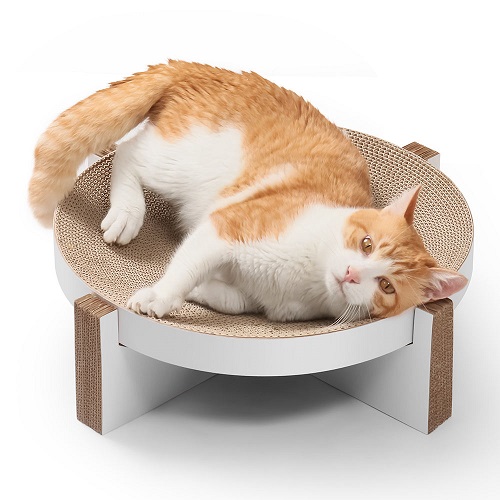
Cardboard: Affordable and eco-friendly, but less durable.
Carpet: Soft and comfortable, but may encourage cats to scratch household carpets.
How Important Is Stability in a Cat Scratcher?
Stability is crucial for a cat scratcher. A wobbly scratcher can scare cats and discourage use. Here’s how to assess stability:
Check the base: A wide, weighted base ensures the scratcher won’t tip over.
Test the structure: Give the scratcher a gentle shake to see if it wobbles.
Look for anti-slip features: Rubber pads or grips can prevent sliding.
What Features Should I Look for in a Cat Scratcher?
Modern cat scratchers come with a variety of features to enhance your cat’s experience. Here’s a comparison:
| Feature | Benefit |
|---|---|
| Interactive Elements (e.g., balls, bells) | Keeps cats entertained and engaged |
| Multi-Level Designs | Provides climbing and scratching opportunities |
| Replaceable Pads | Extends the scratcher’s lifespan |
How Can I Encourage My Cat to Use the Scratcher?
Encouraging your cat to use a scratcher can take some effort. Here are some tips:
Place it strategically: Put the scratcher near your cat’s favorite resting spot.
Use catnip: Sprinkle catnip on the scratcher to attract your cat.
Reward with treats: Praise and reward your cat when they use the scratcher.
What Are Some Common Mistakes to Avoid When Choosing a Cat Scratcher?
Here are some common pitfalls and how to avoid them:
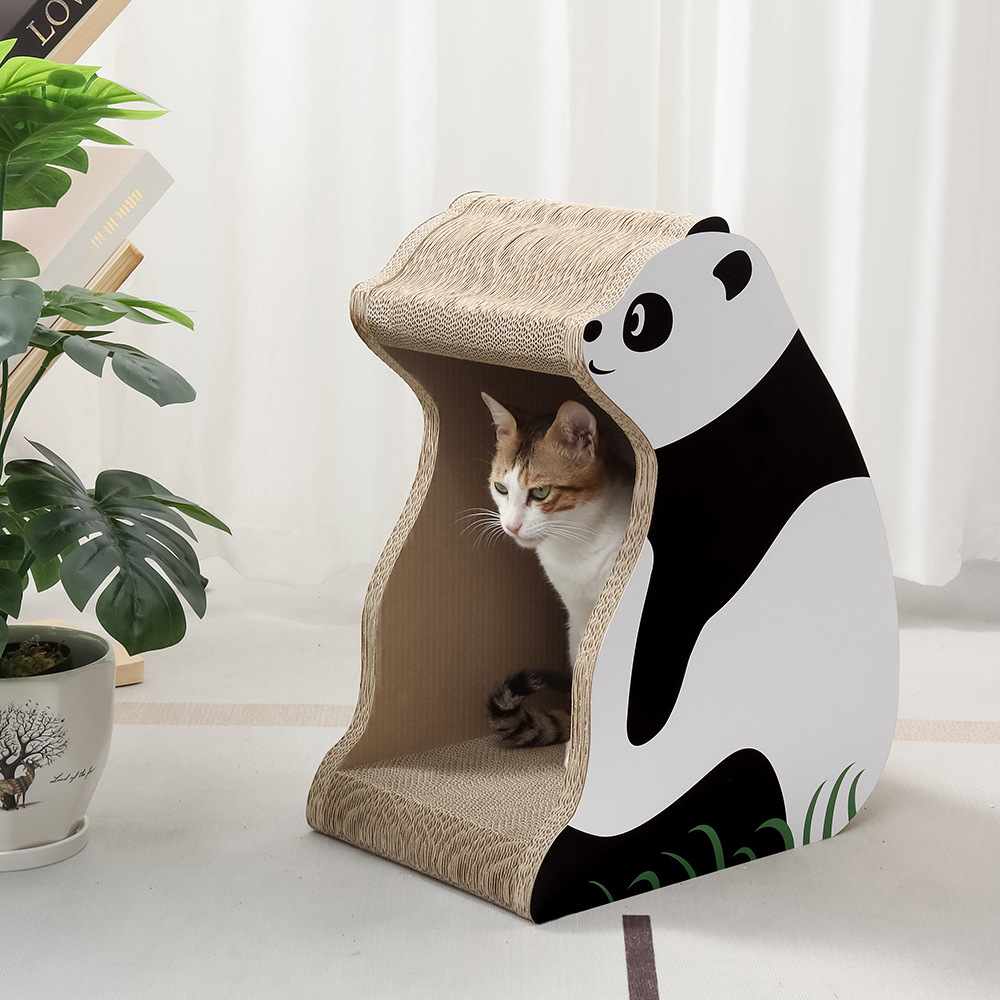
Ignoring your cat’s preferences: Observe your cat’s scratching habits before buying.
Choosing based on price alone: A cheap scratcher may not last long or suit your cat’s needs.
Overlooking stability: A wobbly scratcher can deter your cat from using it.
Conclusion: Finding the Perfect Fit for Your Feline Friend
Choosing the right cat scratcher is all about understanding your cat’s needs and preferences. From size and materials to stability and features, every detail matters. By avoiding common mistakes and following the tips in this guide, you can help your customers find the perfect scratcher for their furry friends.
Call to Action: Ready to explore our top-rated cat scratchers? Visit CoolyPet today and find the perfect fit for your cat!
For more expert advice on cat care, check out ASPCA’s Cat Care Guide or browse our CoolyPet Blog for more tips and tricks.