
- 17 Jan 2025
What Materials Should You Consider for Durable and Safe Cat Scratchers?
Choosing the right material for your cat scratcher is crucial for both durability and your cat’s safety. With so many options available, it can be overwhelming to decide which one is best. In this article, I’ll break down the top materials for cat scratchers, their pros and cons, and how to choose the perfect one for your feline friend. Let’s get started!
Table of Contents
What Are the Best Materials for Cat Scratchers?
When selecting materials for cat scratchers, durability and safety are paramount. Here’s a comparison of the most recommended materials:
| Material | Durability | Eco-Friendly | Texture Appeal |
|---|---|---|---|
| Sisal Rope | High | Yes | Excellent |
| Cardboard | Moderate | Yes | Good |
| Hemp | High | Yes | Excellent |
| Jute | Moderate | Yes | Good |
| Coconut Fiber | High | Yes | Excellent |
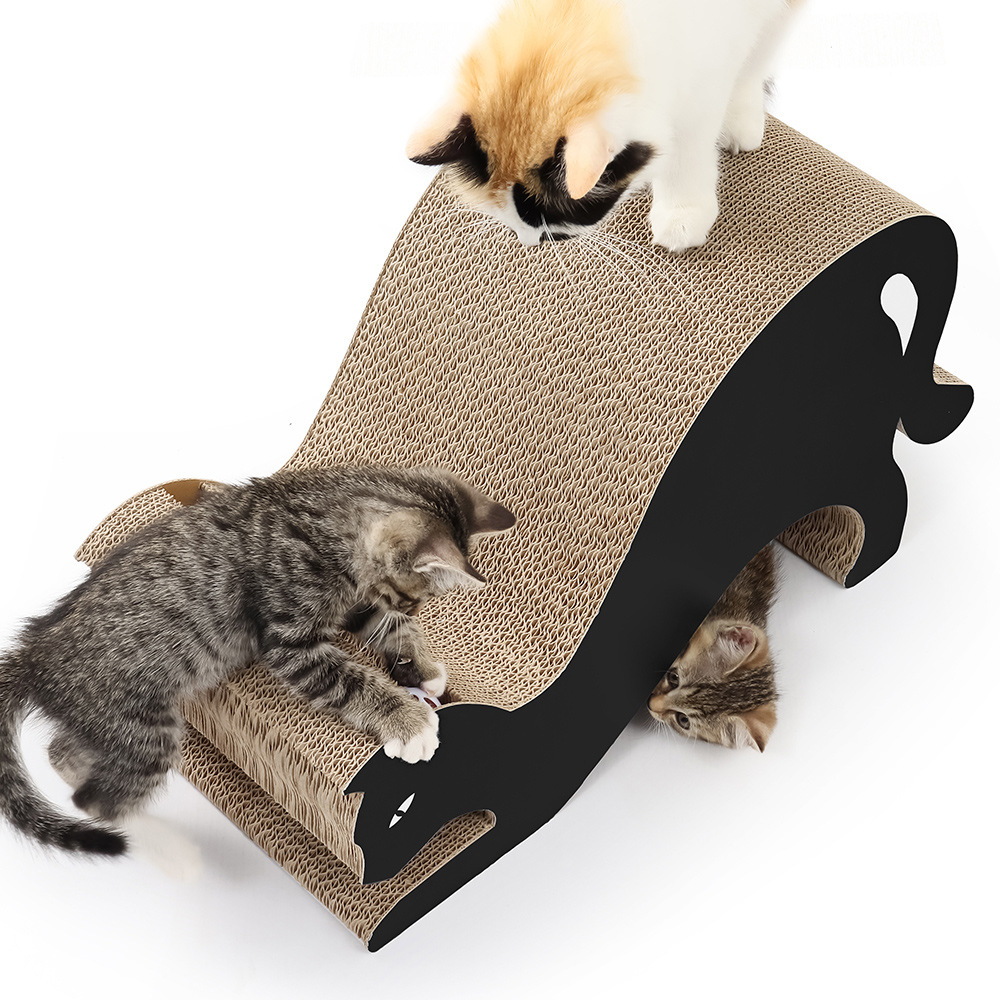
Why Is Sisal a Popular Choice?
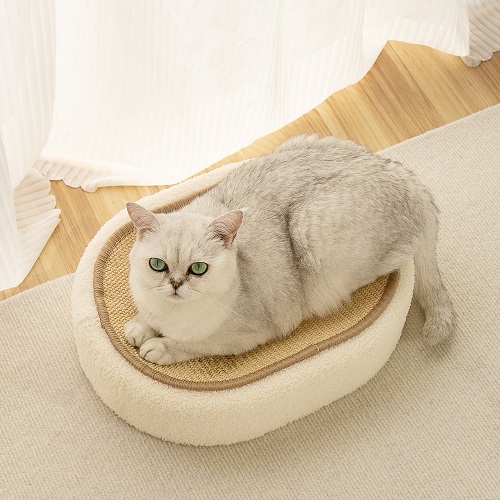
Sisal, derived from the Agave plant, is highly favored among cat owners due to its durability and natural texture that appeals to cats. It withstands heavy scratching without fraying easily, making it a long-lasting option. For example, the Cat Bed Scratcher & Cat Sofa uses sisal for its scratching surface, combining comfort and functionality.
For more information on sisal and its benefits, check out this guide from PetMD.
How Does Cardboard Compare to Other Materials?
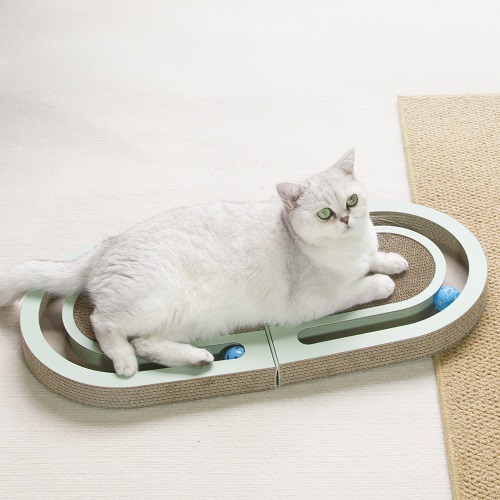
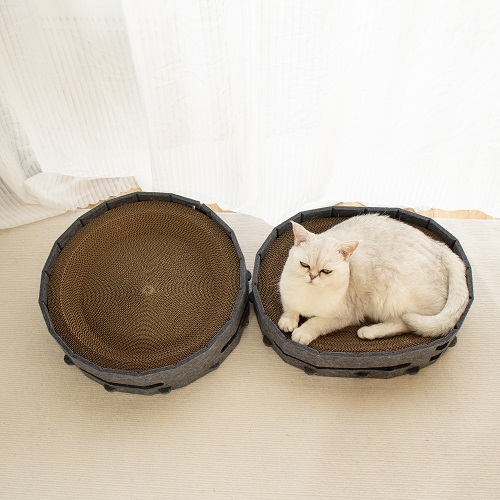
Cardboard is an affordable and eco-friendly option that many cats love. However, it tends to wear out faster than other materials and can create a mess with shedding bits. Despite this, its low cost makes it a popular choice for many cat owners. For more tips on training your cat to use a scratcher, check out our blog post: How to Train Your Cat to Use a Cat Scratcher.
Learn more about cardboard scratchers from The Spruce Pets.
What Are the Benefits of Using Hemp?
Hemp is gaining traction as a sustainable material due to its strength and resilience. It is non-toxic and has a texture that many cats find appealing. While it may be pricier than other options, its durability and eco-friendliness make it a worthwhile investment.
For more on hemp and its uses in pet products, visit Hemp Basics.
Is Jute a Good Option for Cat Scratchers?
Jute offers a softer texture compared to sisal while still being durable and biodegradable. It provides an appealing scratching surface but may not be as popular with all cats due to its different feel.
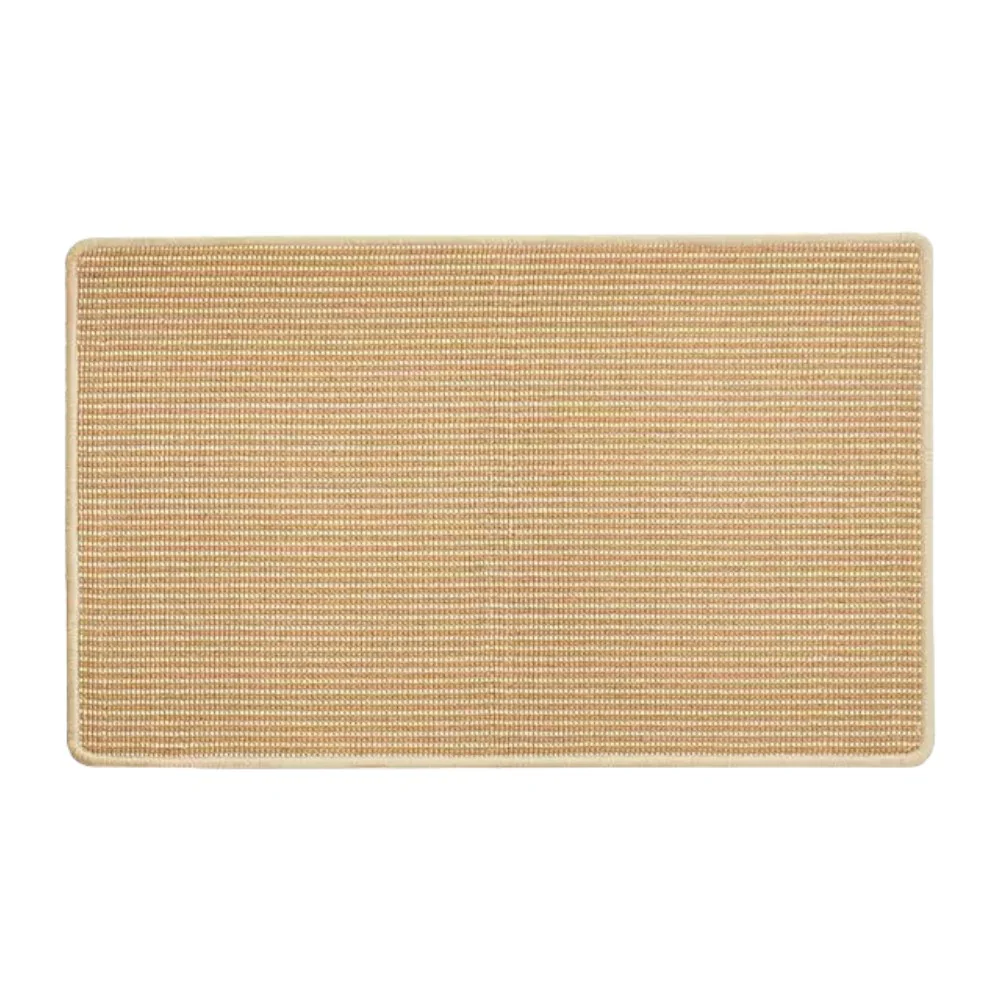
For more insights on jute and its benefits, check out this article from Catster.
How to Choose the Right Material for Your Cat?
Choosing the right material involves considering your cat’s preferences, your budget, and the environmental impact of the materials. My personal experience has shown that cats often gravitate towards sisal and hemp due to their texture and durability. For example, the Fun and Large Cactus Cat Scratching Toy uses durable materials that cats love, making it a great choice for both play and scratching.
For more tips on choosing the right scratcher, visit The Humane Society.
Conclusion: Finding the Perfect Material for Your Cat Scratcher
Selecting the right material for your cat’s scratching post is essential for both their satisfaction and the longevity of the product. By considering options like sisal, cardboard, hemp, jute, and coconut fiber, you can find the perfect fit for your feline friend.
Call to Action: Ready to explore durable and safe cat scratchers? Visit CoolyPet today and find the perfect scratcher for your cat!
For more expert advice on cat care, check out ASPCA’s Cat Care Guide or browse our CoolyPet Blog for additional tips and tricks.