Sourcing & Buying Guides
How to Avoid Common Scams When Sourcing Pet Products from Alibaba
Protect your business from B2B sourcing traps. Learn how to identify fake factories, avoid material swaps, and spot common scams when sourcing pet products from Alibaba.
Alibaba is undeniably the world's largest B2B sourcing platform. For brand owners, distributors, and Amazon sellers, it offers unparalleled access to Chinese manufacturers. However, its massive scale also makes it a breeding ground for deceptive practices.
If you are sourcing pet products—especially bulky items like cat scratchers or cat furniture—falling victim to a scam can result in thousands of dollars in losses, ruined Amazon accounts, and months of wasted time.
To help you protect your business, here are the most common scams on Alibaba and actionable strategies to avoid them.
Scam 1: The "Trading Company Disguised as a Factory"
Many suppliers on Alibaba claim to be direct manufacturers, but they are actually trading companies. They take your order, outsource it to a third-party factory, and add a 10-20% markup. This leads to a lack of quality control, delayed communication, and an inability to customize products deeply.
How to avoid it:
- Look at their product range: A real cat scratcher factory will rarely sell dog leashes, pet bowls, and aquarium filters. If they sell "everything pet-related," they are likely a trading company.
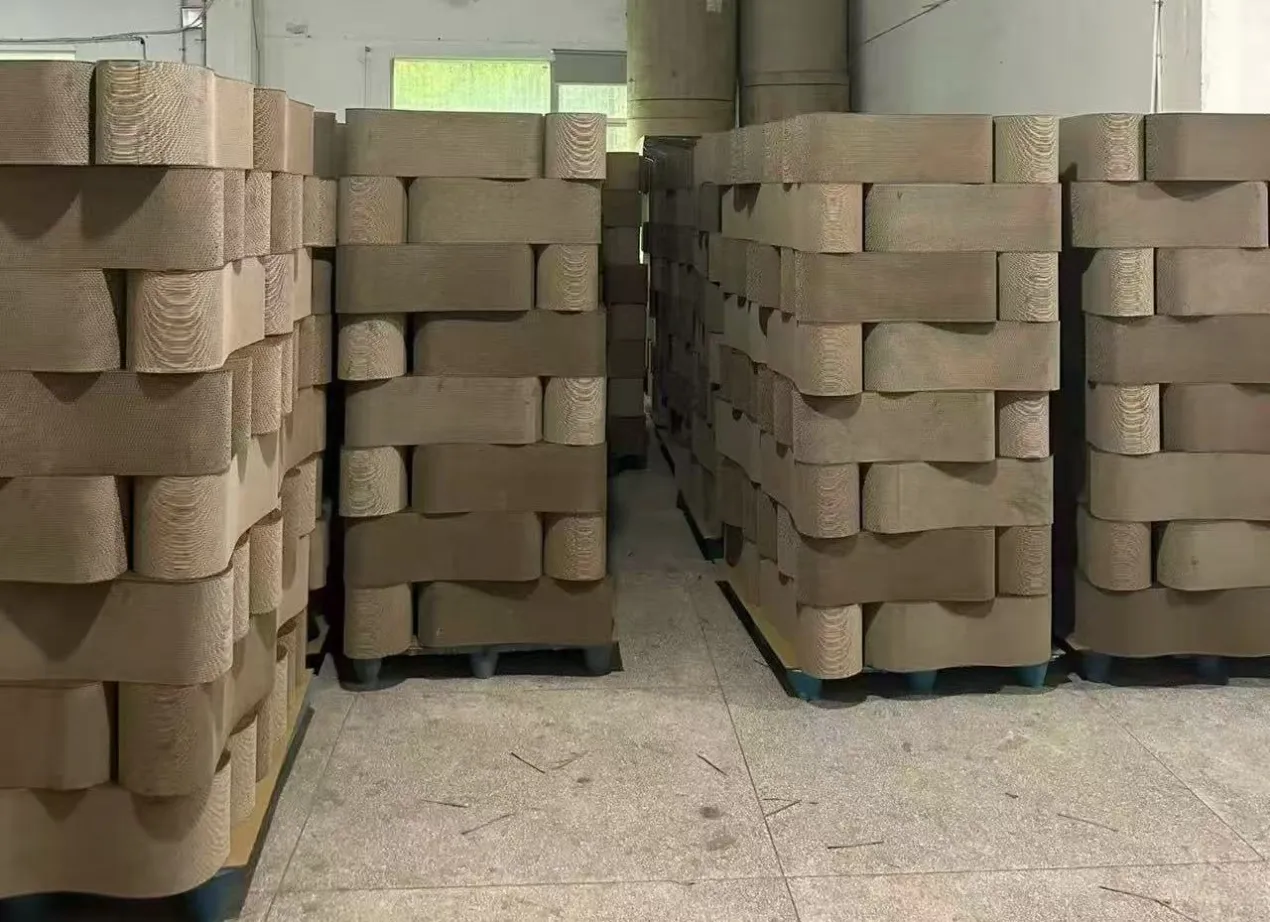
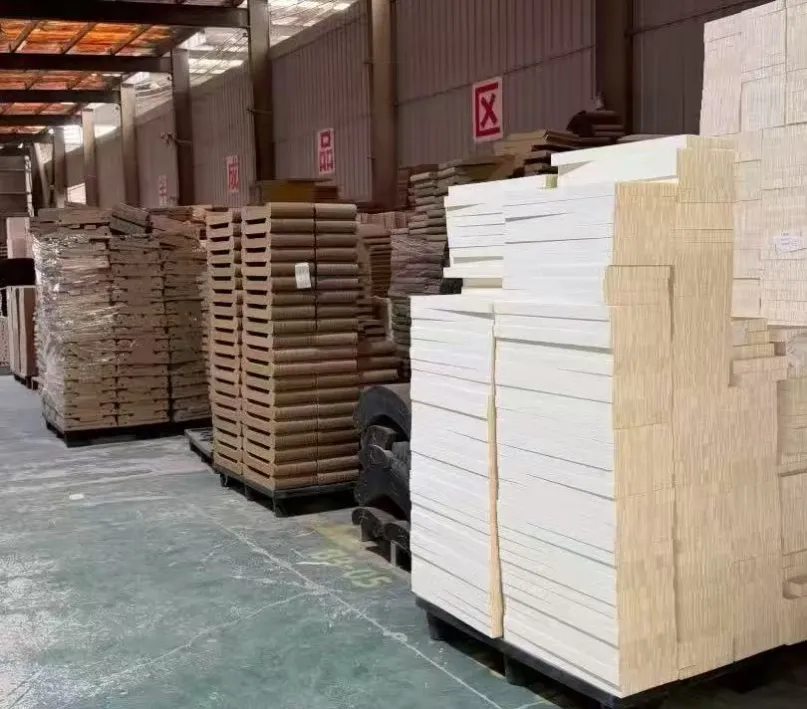
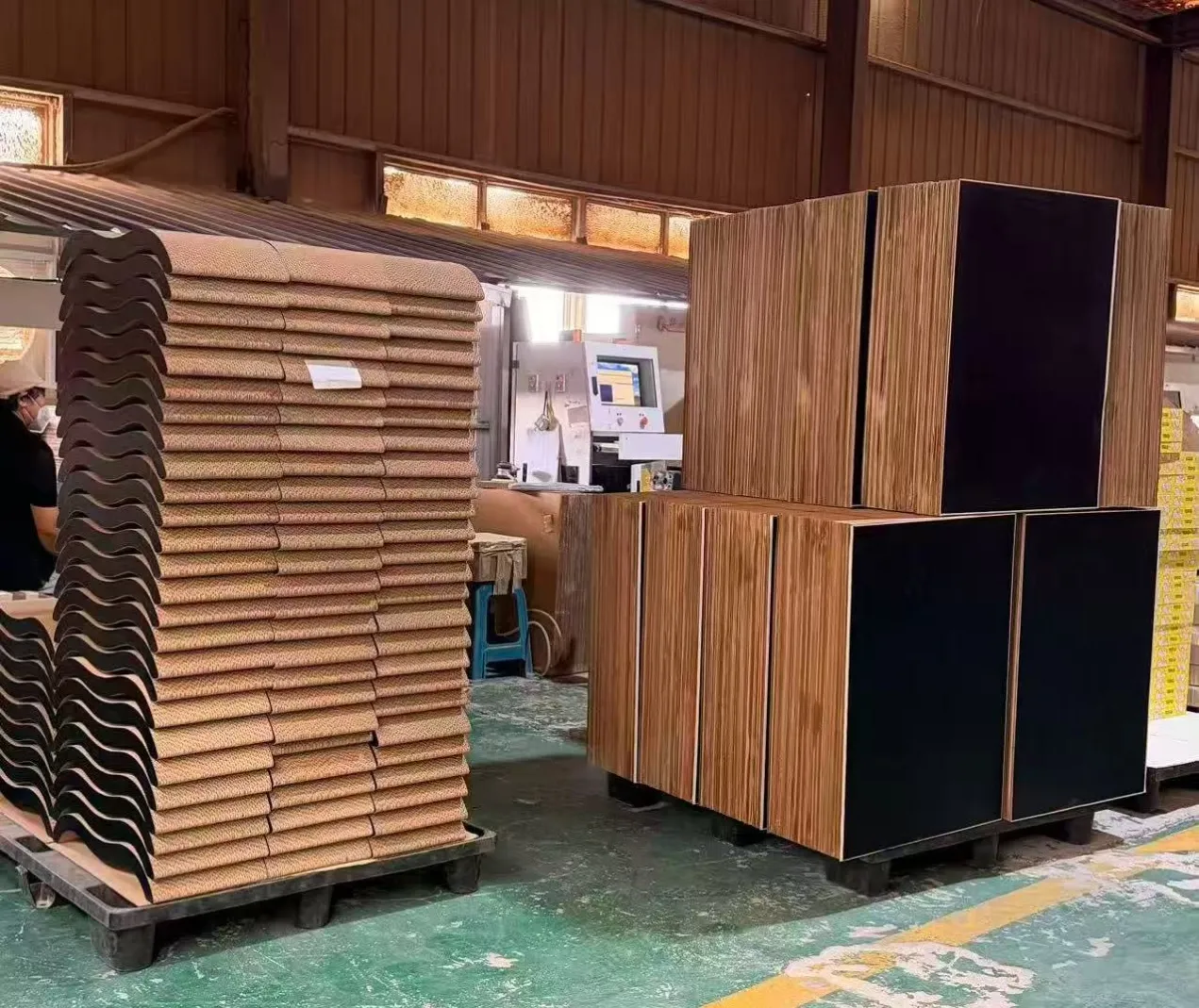
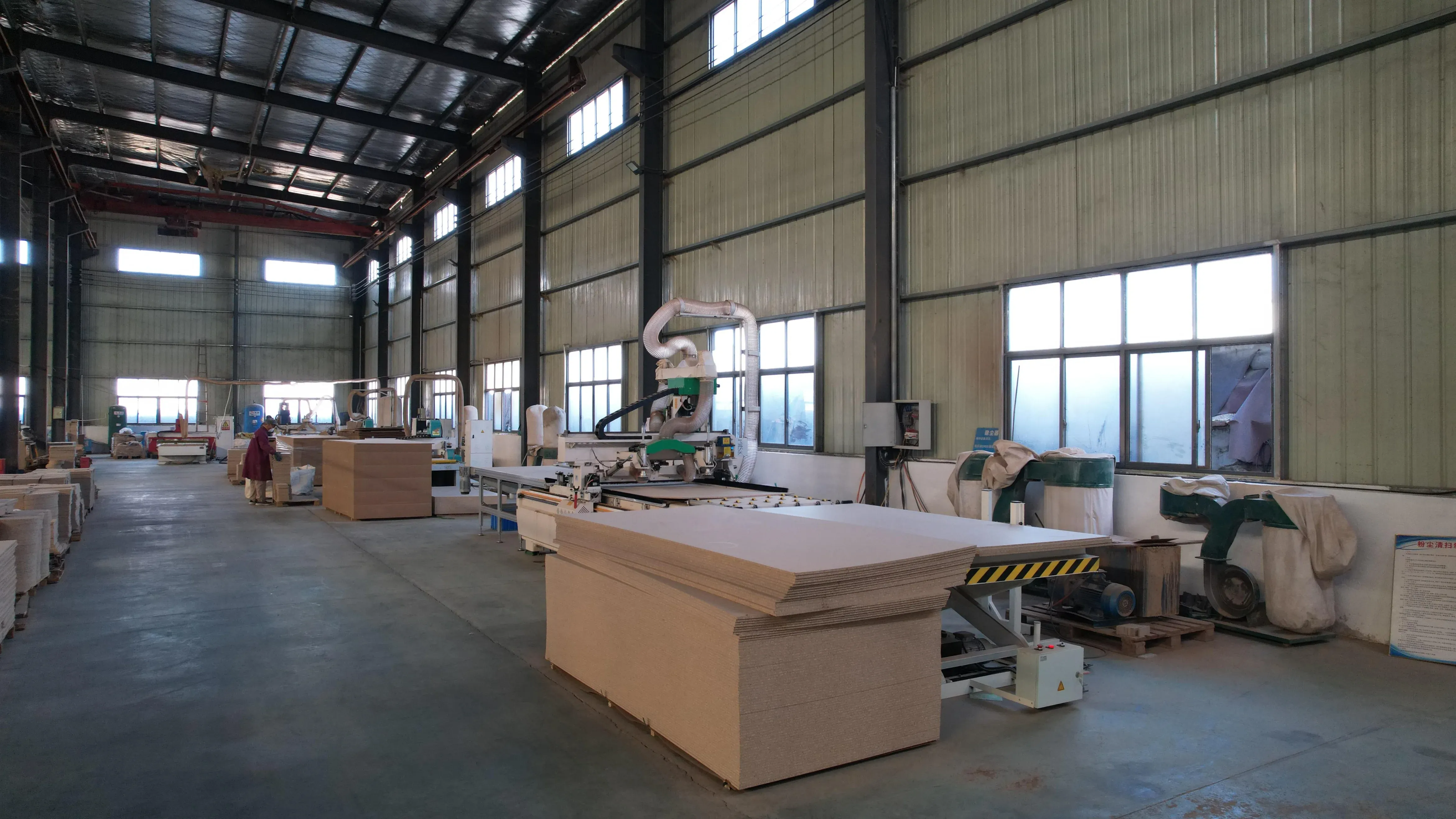
- Ask for a video tour: Ask them to do a live WhatsApp video call showing their production line, raw materials (like corrugated paper rolls), and warehouse.
- Ask technical questions: Ask about the GSM (thickness) of their cardboard or the type of glue they use. Factories answer instantly; trading companies usually have to "check with the engineer."
Scam 2: The "Bait and Switch" (Material Substitution)
You approve a high-quality sample with dense, thick corrugated board or tightly wound sisal. But when the bulk order arrives, it's thin, flimsy, and sheds everywhere. This is the most common scam in the pet product industry.
How to avoid it:
- Keep the "Gold Sample": After you approve a sample, ask the factory to sign and seal the sample. State clearly in your contract (PI) that the bulk production must match this sealed sample exactly.
- Hire a Third-Party Inspection: Before paying the final balance, hire a company like QIMA, SGS, or V-Trust to inspect the goods. They will check the material density, dimensions, and packaging. It costs around $100-$300, but it can save you thousands.
Scam 3: The "Off-Platform" Payment Trap
You find a supplier, agree on a price, and they ask you to pay via Western Union, personal bank account, or a cryptocurrency wallet to "avoid taxes" or "save on Alibaba fees." Once you pay, they disappear, and Alibaba cannot refund you because the transaction didn't happen on their platform.
How to avoid it:
- Always use Trade Assurance: Pay through Alibaba's Trade Assurance system or use a secure B2B payment platform like Payoneer or PingPong.
- Verify the Company Name: Ensure the bank account name matches the registered company name on Alibaba exactly. Never pay a personal account.
Scam 4: Fake Certifications and Audit Reports
If you are selling in the US or Europe, you need certifications like REACH, CPSIA, BSCI, or FSC. Scammers frequently use photoshopped certificates, or they will send you a certificate that belongs to a completely different company.
How to avoid it:
- Check the Company Name: Look at the name printed on the certificate. Does it match the supplier's registered business name?
- Ask for the Audit Report Number: For BSCI or Sedex certifications, ask for their unique audit ID and verify it directly on the official auditing database.
- Request Material Safety Data Sheets (MSDS): If they claim their glue is non-toxic, ask for the MSDS report.
Scam 5: The Packaging and FBA Compliance Nightmare
If you are an Amazon FBA seller, your packaging is critical. A common scam is suppliers agreeing to your packaging requirements, but later using cheap, flimsy boxes that get crushed during shipping. Or, they fail to apply the correct FNSKU barcodes.
How to avoid it:
- Request a Drop Test Video: Ask the factory to pack 3-4 units in a master carton and record a video of them dropping it from a standard height. This proves they are using proper packaging materials.
- Be explicit in the PI: Write out the exact dimensions of the outer carton, the poly-bag thickness (e.g., 0.05mm), and specify that the FNSKU label must be applied correctly.
- Ask for 100% Barcode Scanning: Many professional factories will offer to scan every single barcode before shipping to ensure it matches your FBA shipment plan.
The Golden Rule: How to Protect Yourself
Ultimately, the best defense against scams is doing your due diligence. Never rush into a large order just because the price is 20% cheaper than everyone else.
- Start with a small trial order: Even if the MOQ is higher, negotiate a smaller trial run (e.g., 100-200 pcs) to test their quality and communication.
- Use a verified sourcing agent: If you don't have a team in China, consider hiring a sourcing agent to visit the factory and verify their existence.
- Trust your gut: If a supplier is overly pushy, refuses to use Trade Assurance, or dodges technical questions, walk away. There are plenty of legitimate factories waiting to earn your business.
Conclusion
Sourcing from Alibaba can be highly profitable if you know how to separate the real factories from the scammers. By demanding video tours, using third-party inspections, and paying strictly through secure platforms, you can protect your business and build a reliable supply chain for your pet brand.
Looking for a verified, reliable manufacturing partner?
👉 Download Our Full Catalog to see our factory-direct products, or Contact Us to start a secure, low-MOQ trial order today.