Sourcing & Buying Guides
How to Choose a Reliable Cat Scratcher Manufacturer in China (Step-by-Step)
Sourcing from China can be risky. Follow this B2B guide to verify factories, test material quality, and evaluate OEM capabilities to secure a reliable cat scratcher manufacturer.
Finding the right manufacturing partner in China can be the difference between a highly profitable product line and a logistical nightmare. As global demand for pet supplies continues to surge, many brand owners, distributors, and Amazon sellers are looking to source cat scratchers directly from Chinese factories to maximize margins and control quality.
However, the B2B sourcing landscape is crowded. A quick search on Alibaba will return thousands of suppliers, but not all of them are created equal. Many "manufacturers" you encounter are actually trading companies that outsource production, leading to inconsistent quality, hidden markups, and severe communication gaps during peak seasons.
To help you navigate this complex market, here is a comprehensive, step-by-step B2B guide to evaluating and choosing a reliable cat scratcher manufacturer in China.
Step 1: Define Your Target Market and Product Specifications
Before you contact a single supplier, you must have a clear brief. What works for a discount retail chain will fail for a premium boutique brand.
- For High-Volume, Price-Sensitive Markets: Focus on factories that specialize in flat cat scratchers. These are usually made of corrugated cardboard, are lightweight, and have a high turnover rate. You need a supplier with massive daily output capacity and automated cutting machines.
- For Premium, Design-Led Markets: Look for suppliers with strong woodworking, sisal wrapping, and fabric upholstery capabilities. They should be able to produce complex cat scratcher furniture that functions as home decor.
- Determine Your MOQ (Minimum Order Quantity): Be realistic about your cash flow. If you are testing a new design on Amazon, you might need a low MOQ of 500 pieces. If you are a distributor restocking a proven best-seller, you might be ordering 5,000 pieces at a time.
Step 2: Differentiate Real Factories from Trading Companies
This is the most critical step in your sourcing journey. Trading companies add a layer of cost (usually 5-15%) and often lack direct quality control on the factory floor. How do you spot a real factory?
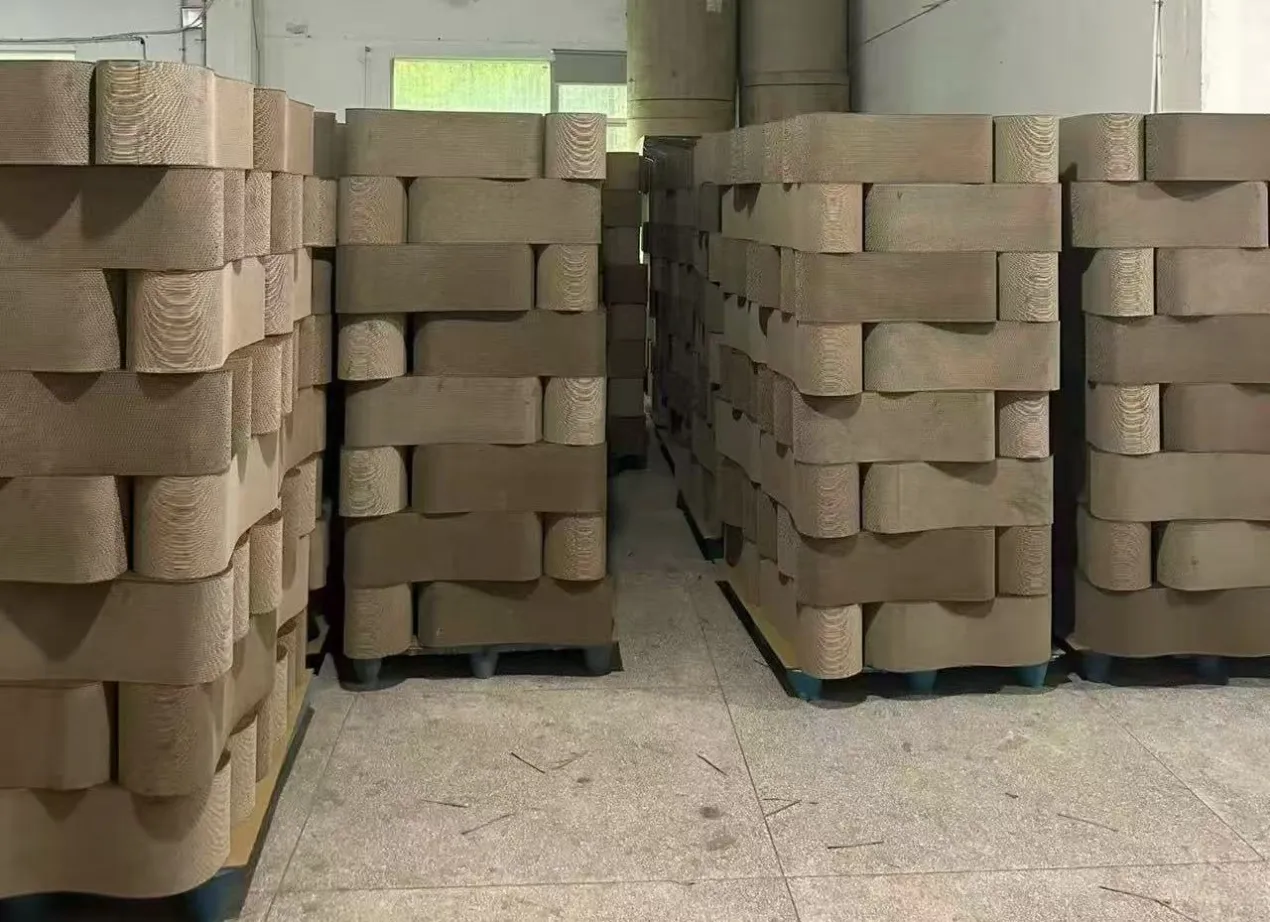
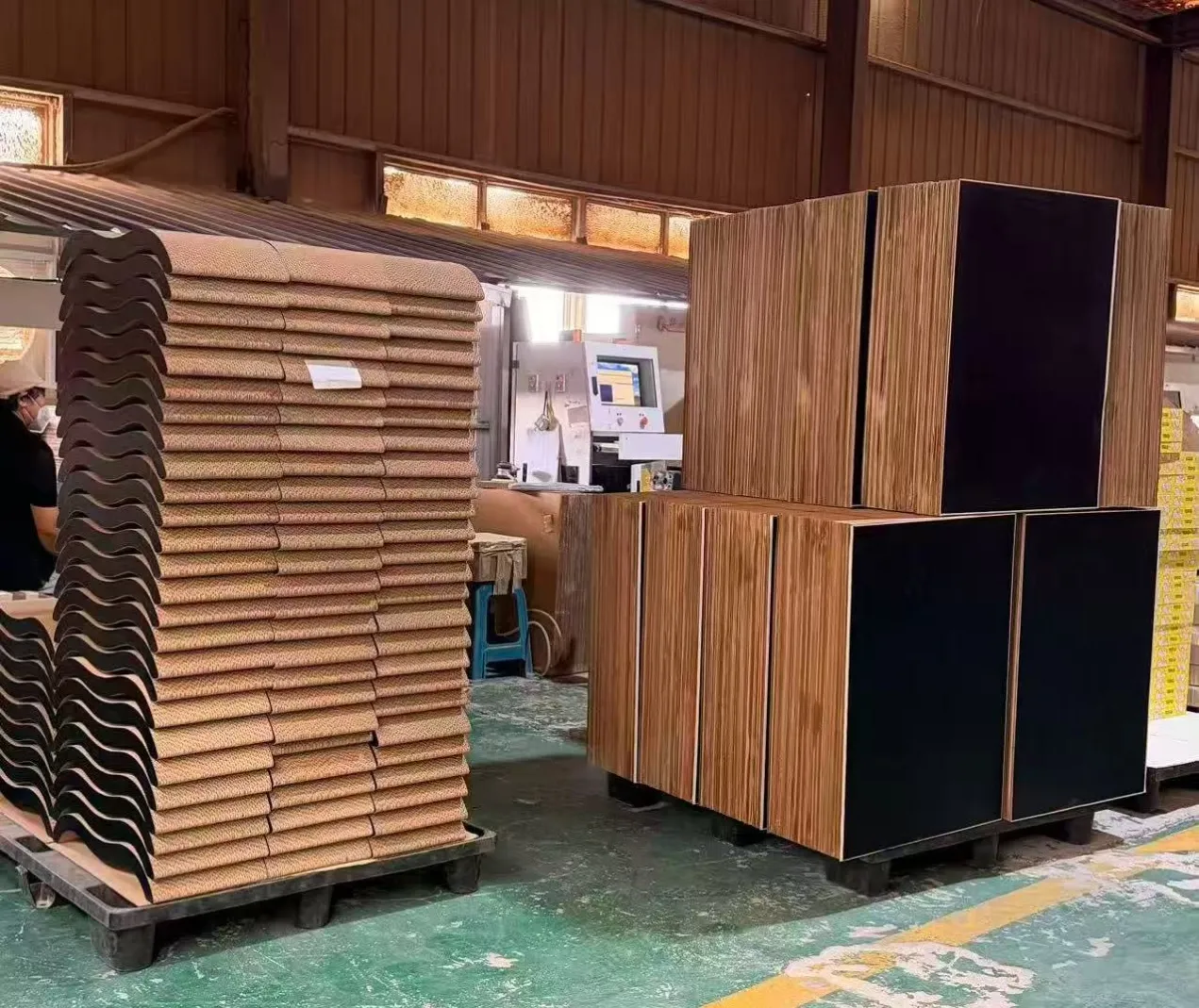
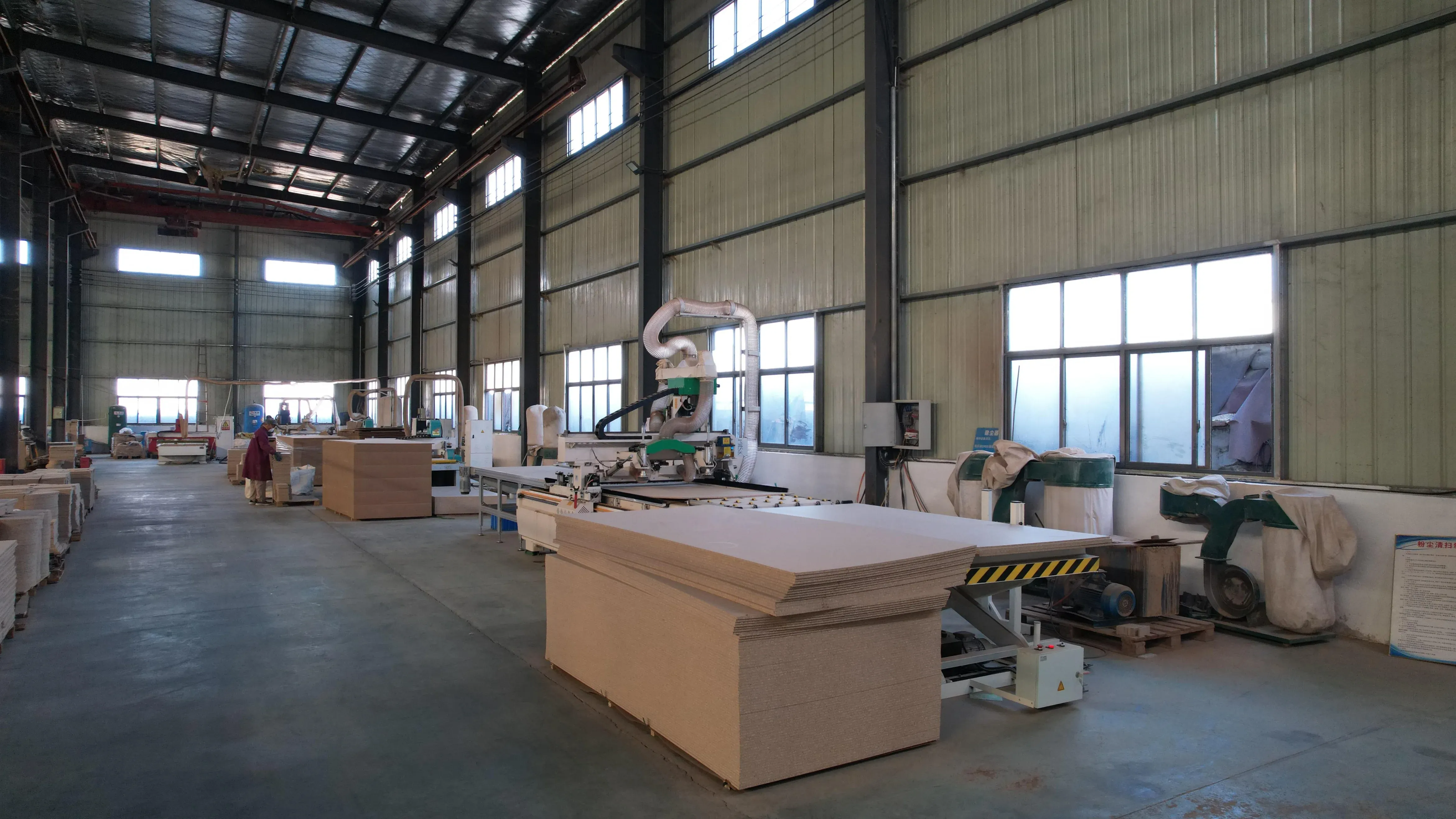
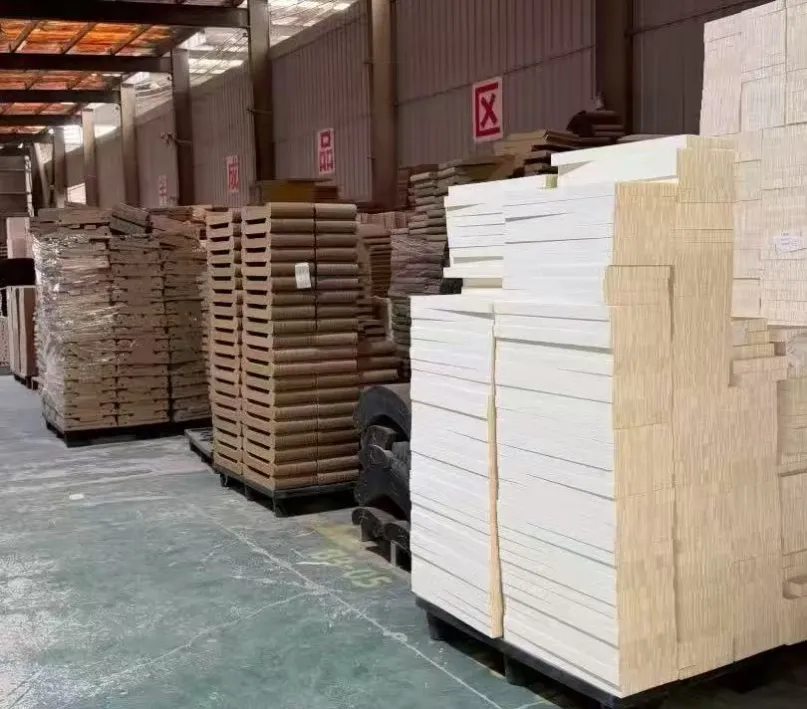
- Ask for a Video Tour: A genuine factory will gladly show you their production line, raw material inventory (like massive rolls of corrugated paper), and machinery. Pay attention to the background—is it a clean, organized industrial space, or a small office?
- Look for a Dedicated Line: Be highly wary of suppliers that claim to make "everything" (bowls, beds, toys, leashes, AND scratchers). A specialized factory that focuses only on cat scratchers will have better expertise, more stable pricing, and faster lead times.
- Ask Technical Questions: Trading companies usually just forward your questions to a factory. Ask specific questions like: "What is the GSM (Grams per Square Meter) of your corrugated board?" or "What type of glue do you use for the sisal wrap?" If they hesitate or give vague answers, they are likely middlemen.
- Check Their Location: Factories are usually located in specific industrial districts. Ask for their exact address and cross-check it on Google Maps to see if it looks like a manufacturing facility or just a commercial office building.
Step 3: Deep Dive into Material Quality and Testing
The lifespan of a cat scratcher depends entirely on the raw materials. B2B buyers cannot afford high return rates due to shedding or broken products. Do not just take their word for it; ask for physical samples.
- Corrugated Board Density: High-density board sheds less and lasts longer. Ask the factory how they handle customer complaints about cardboard shedding. If they offer sisal-wrapped alternatives as a premium upgrade, this is a good sign they understand the market's pain points.
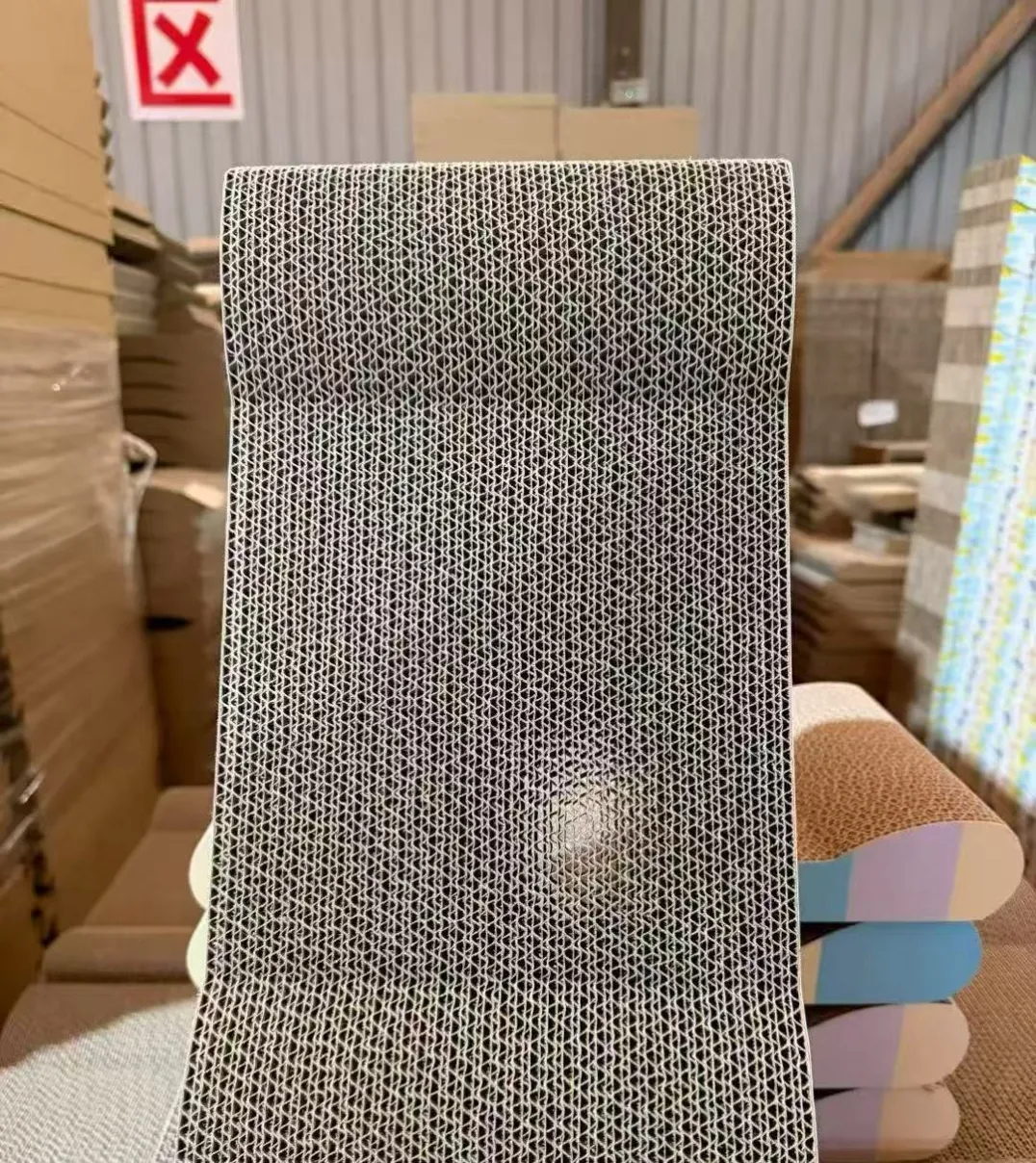
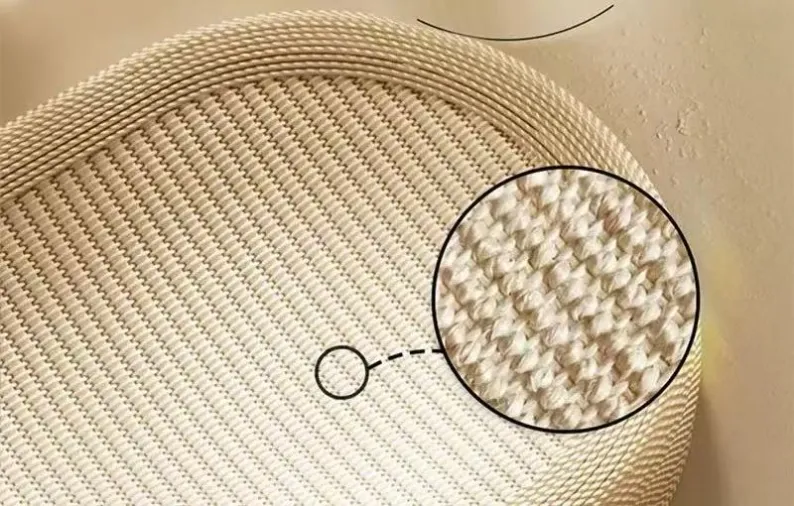
- Sisal Rope Quality: Ensure the sisal rope is tightly wound and made from natural, unbleached fibers. Loose wrapping will fall apart within weeks.
- Pet-Safe Adhesives: Cats lick and chew their scratchers. Ensure the factory uses non-toxic, environmentally friendly glue (like starch glue or hot melt adhesive) that meets international safety standards.
Always request a pre-production sample. A professional supplier will charge a reasonable sampling fee (which is usually refundable upon bulk order) and provide a tracking number within 7-15 days.
Step 4: Evaluate Customization and OEM/ODM Capabilities
If you are building a brand, you need more than just a generic product. You need your own identity.
- Printing Capabilities: Can they print your logo directly onto the corrugated board? Can they handle multi-color printing on the packaging?
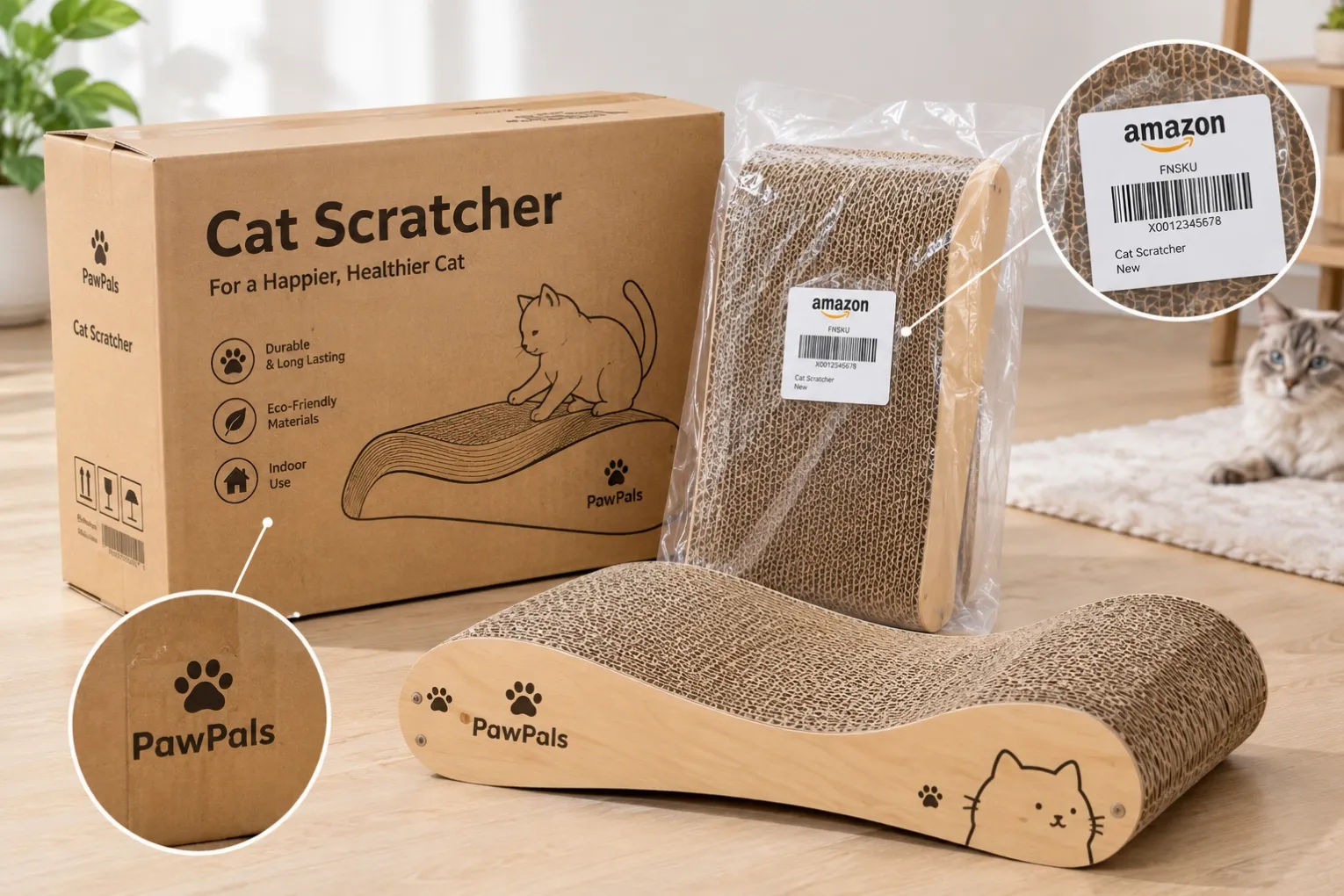
- Packaging & FBA Compliance: If you sell on Amazon, you need specific packaging. Can they print barcodes, FNSKU labels, and provide poly-bagging to protect the product from moisture during transit?
- New Designs (ODM): If you have a drawing or a 3D model for a new shape, can they create the tooling and produce a prototype?
Look for suppliers with robust OEM and Private Label programs. They should have an in-house design team or dedicated mold workshop, not just rely on a third-party printing service.
Step 5: Request Necessary Certifications and Factory Audits
Depending on your target market (US, Europe, or Australia), your supplier must hold the right certifications to clear customs and avoid legal issues.
- For Europe: REACH compliance is mandatory for chemical safety, and FSC certification is a huge plus for eco-friendly brands.
- For the US: Look for CPSIA compliance for children's/pet products safety.
- For Major Retailers: Factory audits like BSCI, Sedex, or ISO 9001 prove that the factory follows ethical labor practices and standard quality management systems.
Ask for PDF copies of their certificates. If they refuse or hesitate, walk away immediately.
Step 6: Analyze Logistics, Lead Times, and Payment Terms
Cat scratchers are bulky and lightweight. This means they suffer from high volumetric weight, making shipping costs a major factor in your landed cost.
- Logistics: Ask the factory if they can help optimize packaging to reduce volume. A few centimeters saved on the box dimensions can save thousands of dollars in sea freight.
- Lead Times: A good factory should deliver custom samples in 7-15 days and mass production in 20-25 days after approval.
- Peak Season Preparation: Ask them how they handle Q4 (Black Friday/Christmas) orders. Do they have a dedicated production line that prevents your order from queuing behind unrelated products?
- Payment Terms: Standard B2B terms are usually 30% T/T deposit and 70% balance before shipment.
Conclusion
Choosing a cat scratcher manufacturer in China requires due diligence, patience, and a hands-on approach. By asking the right technical questions, verifying their facilities, testing physical samples, and negotiating logistics, you can secure a long-term manufacturing partner that helps you scale your pet brand with absolute confidence.
Ready to source from a verified, dedicated cat scratcher factory?
👉 See Our Full Catalog to see our 30+ customizable designs, or Request a Free Sample from our dedicated production line today.