Sourcing & Buying Guides
Corrugated Cardboard vs. Sisal Rope: A Buyer's Guide to Cat Scratchers
Choosing between corrugated cardboard and sisal rope? Discover the B2B pros, cons, shipping costs, and profit margins for both materials to pick the best fit for your brand.
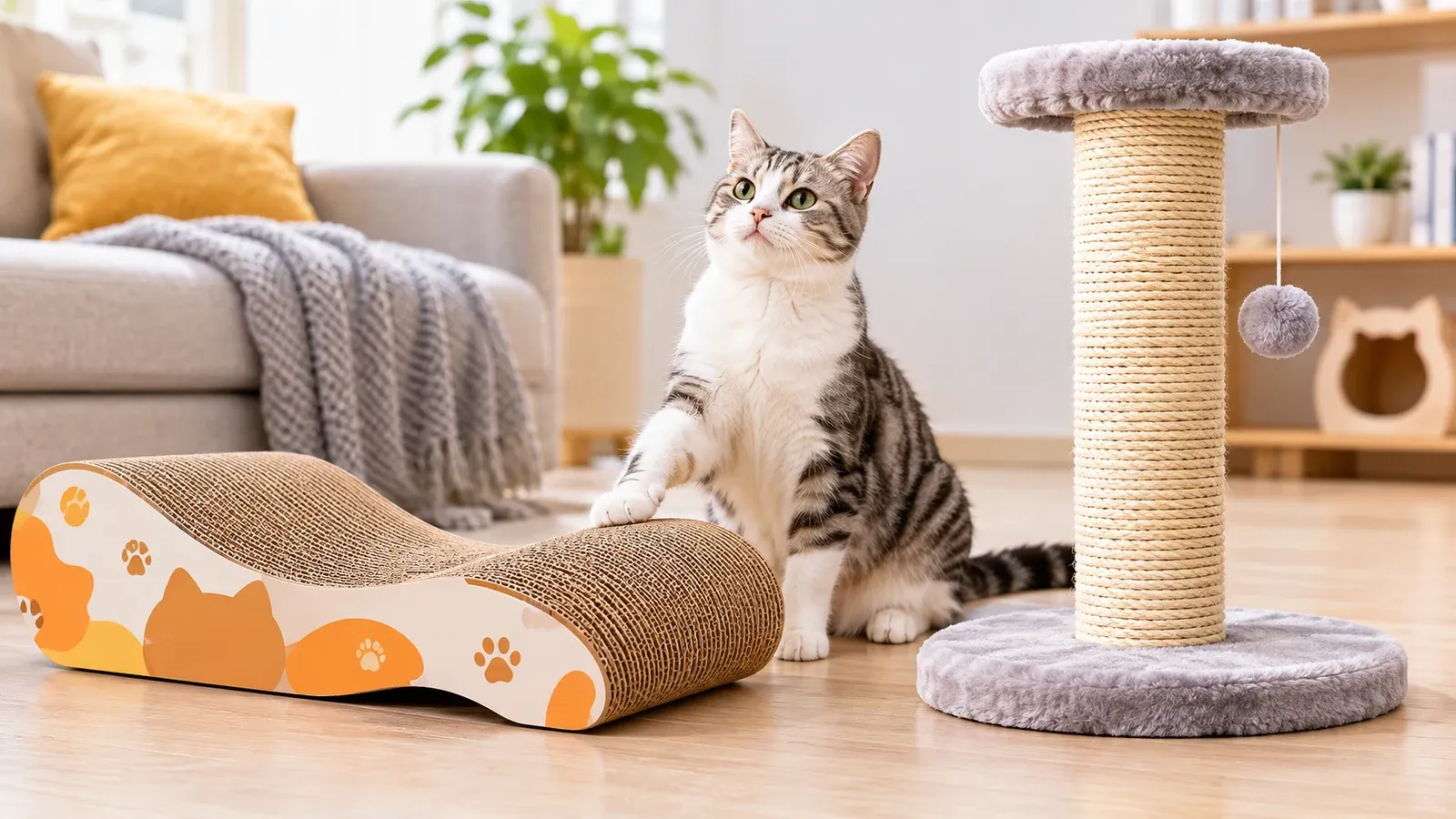
When expanding your pet product catalog, the first major decision you will face is material selection. In the cat scratcher market, two materials dominate the landscape: corrugated cardboard and sisal rope.
While both serve the same essential function, they cater to entirely different market segments, price points, and customer expectations. Choosing the wrong material can lead to poor sales, high return rates, or logistical nightmares.
This B2B buyer's guide breaks down the pros, cons, and hidden costs of both materials so you can make a data-driven decision for your brand.
1. Corrugated Cardboard: The Volume and Margin King
Corrugated cardboard is the most common material in the global cat scratcher market. It is made by layering fluted paper between flat sheets, which provides a satisfying texture for cats to dig their claws into.
The B2B Advantages:
- Massive Profit Margins: Cardboard is cheap to source and manufacture. This allows brands to achieve exceptional margins or offer highly competitive retail prices.
- Ultimate Customization: Cardboard is versatile. If you want to print your logo directly onto the board or create unique shapes like animals, cars, or geometric designs, cardboard is easy to die-cut and print. You can explore our custom printed white kraft cat scratchers to see how high-end brands leverage this material.
- Lightweight & Freight Friendly: Cardboard is lightweight. Even large shapes can be shipped flat-packed or nested, dramatically reducing volumetric weight and Amazon FBA fees.
- High Turnover: Because it sheds and wears out faster than sisal, customers need to replace it more frequently. This creates built-in repeat purchases.
The B2B Challenges:
- Shedding: The biggest complaint from end consumers is cardboard dust. If you use low-density board, your customers will complain about a messy home.
- Short Lifespan: Heavy scratchers will destroy a cardboard board in a few weeks.
Target Market: High-volume e-commerce sellers, Amazon FBA brands, novelty gift lines, and boutique stores looking for beautiful, custom-printed designs.
(Note: To combat shedding, always source high-density 110-120 BC flute corrugated paper).
2. Sisal Rope: The Premium, Durable Choice
Sisal is a natural fiber derived from the agave plant. It is tightly wrapped around posts, poles, or wooden furniture to create a highly durable scratching surface.
The B2B Advantages:
- Exceptional Durability: A well-made sisal post can last for months or even years. This makes it highly attractive to consumers looking for long-term solutions.
- Zero Shedding: Unlike cardboard, sisal fibers do not crumble into messy dust. This is a major selling point for premium, design-led brands.
- Higher Price Point: Because it is more expensive to source and labor-intensive to wrap, sisal products command a higher retail price. This is ideal for brands targeting the premium, high-end market.
- Aesthetic Appeal: Sisal wrapped around wood or modern fabrics looks elegant. It fits perfectly into cat scratcher furniture that functions as home decor.
The B2B Challenges:
- Higher Manufacturing Cost: Natural sisal rope is expensive, and the manual labor required to wrap it tightly drives up the unit cost.
- Heavy & Bulky: Wood and sisal are heavy. The volumetric weight and shipping costs for these items are significantly higher than flat cardboard pads.
- Scent: Natural sisal has a distinct, earthy smell. While safe, some consumers find it off-putting at first.
Target Market: Premium pet boutiques, eco-conscious brands, and high-end furniture lines where long-term durability is the main selling point.
3. The Hybrid Approach: The Best of Both Worlds
Why choose one when you can have both? Many successful B2B buyers opt for a hybrid approach, combining the structural integrity of wood with the scratching appeal of cardboard or sisal.
Examples include:
- A sturdy wooden box housing a replaceable flat cat scratcher pad inside.
- A wooden post wrapped in sisal rope, topped with a comfortable cardboard lounger.
- A corrugated bowl featuring a sisal-wrapped edge for extra grip.
The hybrid approach allows you to justify a higher retail price while offering the satisfying scratch of cardboard.
4. How to Choose: A Logistics and Profitability Checklist
Before you place a bulk order, ask yourself these four questions:
- What is your target retail price? If you are selling on Amazon for $15, cardboard is your only viable option. If you are targeting a $50-$80 price point, sisal and wood are required.
- How much can you spend on freight? If you are shipping from China to the US or Europe, the volumetric weight of bulky sisal posts will eat into your margins. Cardboard's flat-pack nature is much more forgiving.
- What is your customer's biggest pain point? If they hate cleaning up cardboard dust, sell them sisal. If they want cute, printed designs to match their living room, sell them cardboard.
- What is your brand identity? Are you a fun, trendy, fast-fashion pet brand? Go cardboard. Are you a premium, sustainable, eco-friendly brand? Go sisal.
Conclusion
There is no single best material for cat scratchers. Corrugated cardboard wins on logistics, customization, and margins, while sisal rope wins on durability and perceived value.
By understanding the financial and operational differences between the two, you can build a product catalog that maximizes your profits and minimizes your risks.
Need help sourcing the right material for your market?
👉 Contact Us today to request free samples of our 110-120 BC flute corrugated board and premium sisal, or view our full product range to explore our OEM and private label cat scratcher solutions.